
15mm toughened glass price
Ground Anchor Foundations An Overview Ground anchor foundations, also known as soil anchors or earth anchors, are essential components in civil engineering and construction that provide stability and support to various structures. These systems play a pivotal role in ensuring the safety and integrity of buildings, retaining walls, bridges, and other infrastructures that may be exposed to lateral loads or erosion. What Are Ground Anchors? Ground anchors are typically made from high-strength steel strands or bars that are embedded into the ground to provide a pulling force against the structure. The concept revolves around transferring the loads from a structure into the surrounding soil or rock, utilizing the resistance of the earth to hold the anchor in place. The anchors can be designed as passive or active systems, depending on whether they rely purely on the soil's resistance or actively engage in providing support through tension loading. Applications of Ground Anchor Foundations Ground anchors are commonly used in a variety of applications 1. Retaining Walls In areas where soil stability is a concern, ground anchors are used to stabilize retaining walls. They help counteract the lateral pressure exerted by the soil, preventing wall failure and ensuring longevity. 2. Bridges Ground anchors are utilized in bridge construction to enhance stability, especially in areas subjected to heavy traffic loads or where soil conditions may be unpredictable. 3. Tunneling and Excavation Support During tunneling operations or major excavations, ground anchors provide temporary support to prevent soil collapse while workers operate safely underground . ground anchor foundation 4. Foundation Systems For structures built on less stable soil types, ground anchors can serve as part of a foundation system, ensuring adequate load transfer and preventing settlement or tilting. Design Considerations The design of ground anchor foundations requires careful analysis and engineering judgment. Factors such as soil characteristics, load requirements, and environmental conditions must be taken into account. The installation process typically involves drilling a hole into the ground, placing the anchor, and grouting it in place to improve anchorage. The performance of the anchor must be monitored over time, especially in dynamic environments like coastal or seismic zones. Advantages of Ground Anchor Foundations One of the primary advantages of ground anchor foundations is their versatility. They can be employed in diverse soil conditions and are adaptable to various types of structures. Additionally, ground anchors generally have a lower environmental impact compared to traditional deep foundation systems like piles, as they require less excavation and can be installed with minimal disturbance to the surrounding area. Moreover, ground anchors provide significant cost savings in many projects. Their ability to reduce material requirements and limit extensive excavation translates to lower project costs and quicker construction timelines. Safety is another crucial aspect; by securing structures against potential failures, ground anchors contribute to the overall safety and reliability of constructions. Conclusion In conclusion, ground anchor foundations are a vital technique in modern engineering, offering efficient solutions for enhancing the stability of structures in challenging soil conditions. Their applications span across various domains, demonstrating their adaptability and effectiveness. As engineering practices continue to advance, the use of ground anchors will likely grow, providing innovative support systems that enhance the resilience and safety of our built environment. Understanding the principles and benefits of ground anchor foundations is essential for engineers and construction professionals as they strive to design and erect safe structures in increasingly complex environments.
about
15mm toughened glass price
Understanding Magnetic V Blocks A Versatile Tool for Precision Work Magnetic V blocks are indispensable tools in various metalworking and machining applications. Their design allows for the secure holding of workpieces at precise angles, making them essential for tasks such as grinding, shaping, and measuring. The unique features of magnetic V blocks provide users with significant advantages in terms of versatility, accuracy, and efficiency. Design and Construction A magnetic V block typically features a robust rectangular base with a V-shaped groove on top, designed to securely hold cylindrical or rectangular objects. The core of most V blocks is constructed from high-quality steel, ensuring durability and robustness for heavy-duty applications. Integrated magnetic strips or electromagnets are embedded within the block, which allow the V block to adhere firmly to ferromagnetic surfaces. This magnetic attachment is especially beneficial in situations where traditional clamps or vises could interfere with the workpiece or measurement tool, thereby reducing setup time and enhancing precision. Benefits of Magnetic V Blocks 1. Enhanced Stability One of the primary advantages of using magnetic V blocks is their ability to hold workpieces securely in place. By providing a stable platform, they minimize vibrations and movements during machining operations, which significantly enhances the quality of the finished product. 2. Precision Alignment The V shape of the block is specifically designed to accommodate rods and shafts at precise angles, often at 90 degrees. This feature allows users to achieve exceptional accuracy in measurements and alignments. Whether for drilling, milling, or other machining processes, the ability to maintain these angles ensures higher quality results. magnetic v block 3. Adaptability Magnetic V blocks can be used with a variety of tools and machines. From lathes to mills and grinders, their versatility makes them a favorite among machinists, engineers, and hobbyists alike. They are suitable for holding small parts that may be difficult to clamp using traditional methods. 4. Ease of Use Setting up a magnetic V block is straightforward. With the simple flip of a switch or a pull of a lever, the magnetic force can be quickly engaged or disengaged, allowing for rapid setup and repositioning as needed. This user-friendly feature minimizes downtime and increases productivity. Applications Magnetic V blocks are employed in a myriad of applications across different industries. In the manufacturing sector, they are vital for precision machining of components, making them essential in processes such as drilling, milling, and grinding. Additionally, they are commonly used in inspection and quality control environments to ensure parts meet stringent specifications. In automotive and aerospace manufacturing, where precision and reliability are crucial, magnetic V blocks play a key role in ensuring components are machined accurately. They are also utilized in assembly processes, where maintaining the correct orientation of parts is essential. Conclusion In conclusion, magnetic V blocks are a valuable asset for anyone involved in machining or metalworking. Their unique design and robust capabilities offer a perfect solution for holding and aligning workpieces with utmost precision. As industries continue to demand higher quality and efficiency, the relevance of magnetic V blocks in both professional shops and DIY projects will undoubtedly remain high. Investing in a quality magnetic V block not only enhances operational effectiveness but also contributes to achieving superior results in various applications. Whether you're a seasoned machinist or a hobbyist, embracing the utility of magnetic V blocks can markedly improve your craftsmanship.
-

High quality industrial productsagement

High quality industrial products
View Details -

Meet the diverse needs of customers

Meet the diverse needs of customers
View Details -

Strict quality control

Strict quality control
View Details -

Top raw materials

Top raw materials
View Details -

Trusted supplier

Trusted supplier
View Details
Our application

news and information

Using a Right Angle Ruler for Accurate Measure and Design in Everyday Projects
The Versatility of the Ruler with Right Angle A Tool of Precision and Creativity The ruler with a ri
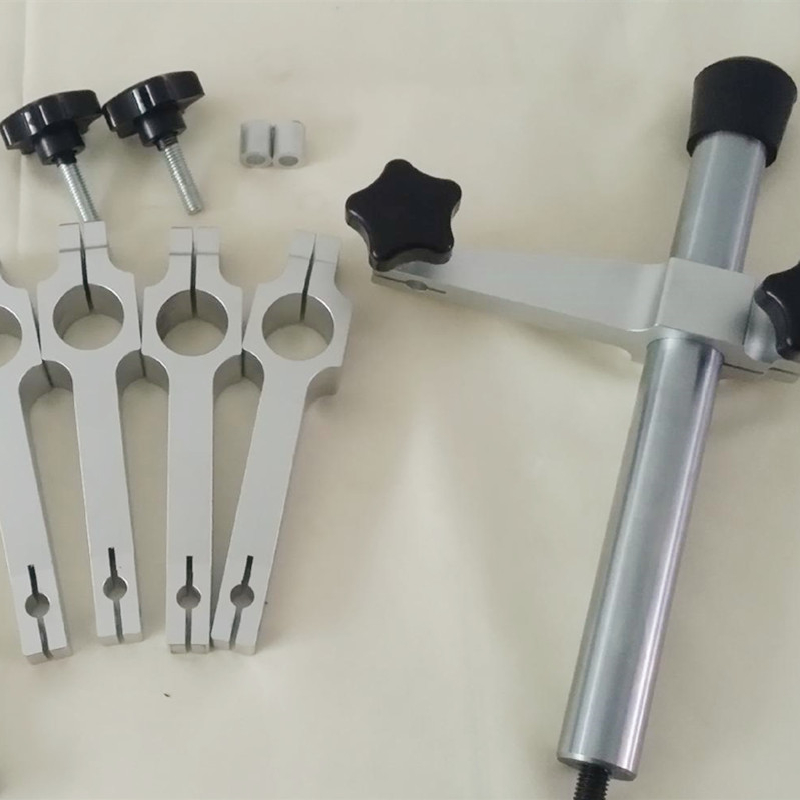
V-Block Designs for Efficient Machining Applications
V-Blocks for Machining An In-Depth Overview In the world of precision machining, the importance of e
Y Type Strainer Cleaning Procedures
In industrial fluid systems, Y type strainers are essential components that effectively filter out i
 English